
Start with the use and destination market
Describe where magnesium sulfate heptahydrate will enter your process and what the material must achieve. For textile, leather, paper or chemical processing, include the relevant impurity and dissolution requirements. For a fertilizer or nutrient formulation, identify the destination market and required agricultural grade.
Send an existing purchasing specification if you have one. The industrial grade reference helps compare material for industrial use; requirements for other intended uses need their own applicable specification and documents. The name “Epsom salt” alone does not define that grade.
Compare content on the same hydrate basis
In the industrial Type I reference table, content is expressed as MgSO₄·7H₂O, including its water of crystallization. Check that a quotation, TDS and COA use the same basis before comparing percentages. A value reported as anhydrous MgSO₄ answers a different specification question.
Use the heptahydrate product page for the numerical reference limits. It follows the Type I framework in HG/T 2680-2017, the Chinese industry standard for industrial magnesium sulfate. Review chloride, iron, insoluble matter and any additional requirements alongside content, then agree the full model specification.
Make the crystal-size requirement measurable
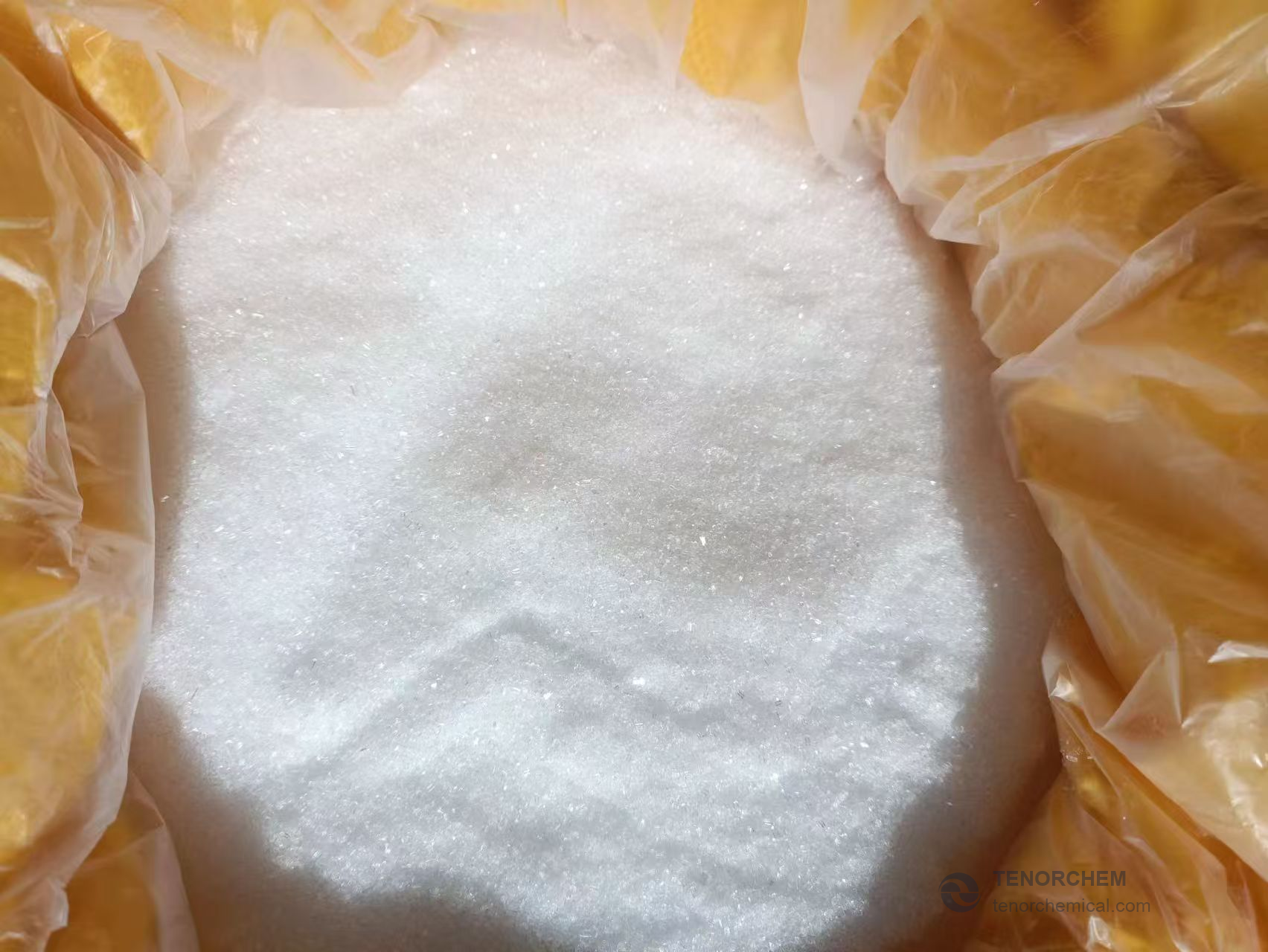
Give the required crystal size together with its units and acceptance method. Explain whether the requirement comes from feeding, blending, dissolution or another process step. This is more useful than choosing from a photograph alone.
| Buying point | What to agree |
|---|---|
| Size range | The requested range and units, with any limits on finer or larger particles. |
| Test method | How particle size will be measured and how the sample will be taken. |
| Sample | A clearly identified sample for appearance, handling and process evaluation. |
| Process check | The preparation conditions and result that the selected crystals need to meet. |
Connect the sample trial to the order specification
Record the sample code, proposed grade and the conditions used for evaluation. If the material is dissolved before use, document preparation conditions and the observations relevant to your process, including any remaining solids. Review those observations against the agreed specification.
Request the model TDS and a representative COA to check how the required properties are reported. Keep the accepted sample and trial record linked to the selected model; a standard-reference table does not replace the batch results supplied with an order.
Finish with packing and delivery requirements
The confirmed packing is 25 kg net bags with an inner liner. Provide the required bag printing, pallet type, wrapping, order quantity and destination. Agree loading arrangements and any alternative packing with the quotation.
Keep bags closed in a cool, dry and well-ventilated place, following the selected product’s SDS. Send the application, grade, crystal requirements and sample observations with the packing brief so the quotation addresses both the material and how you will receive it.