The site and the treatment question
The visit brought our team and the customer together to discuss the wastewater-treatment problem in the context of the operating plant.
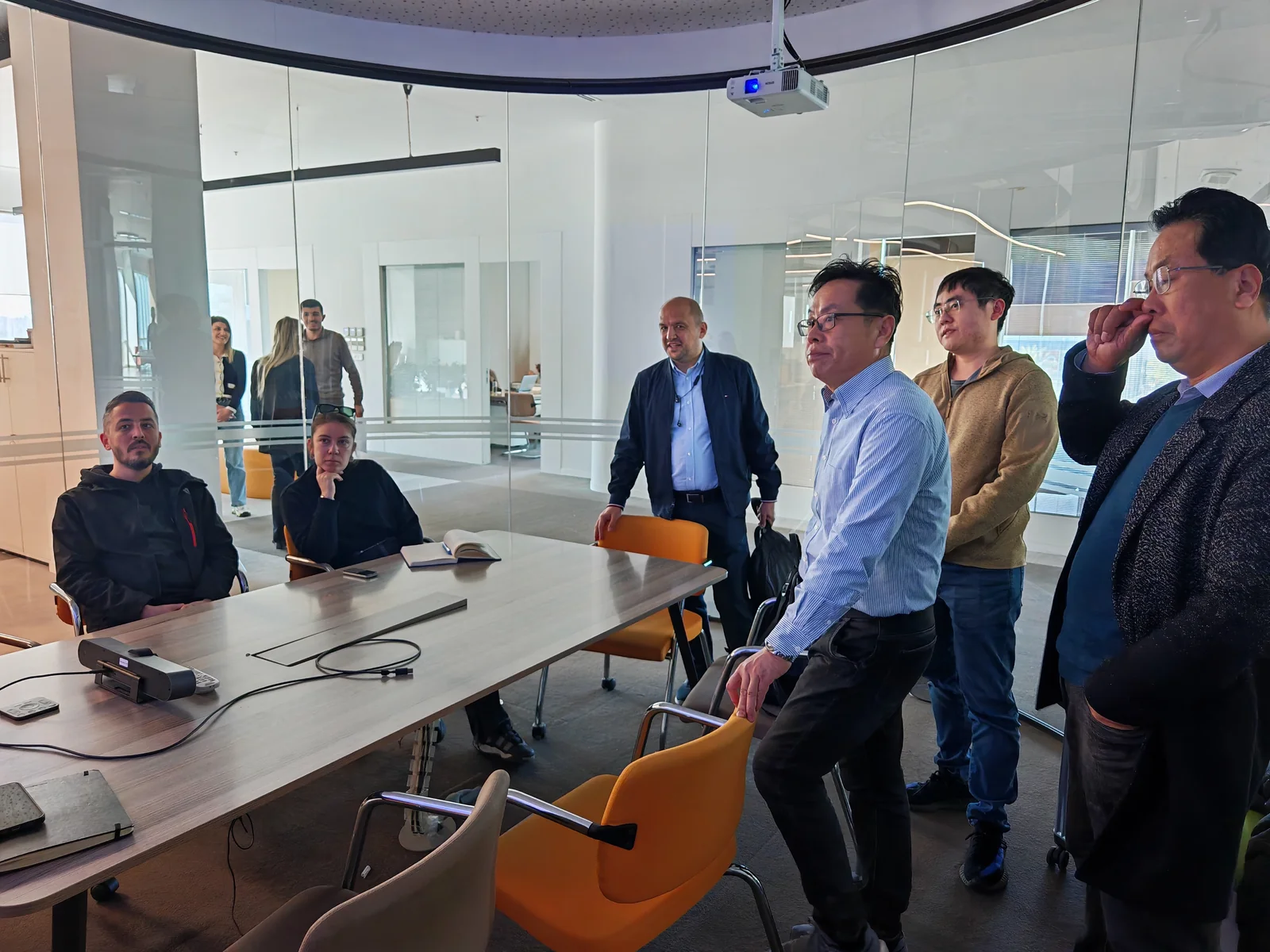
The photographs document the site visit and technical exchange.
Connecting a chemical inquiry to the process
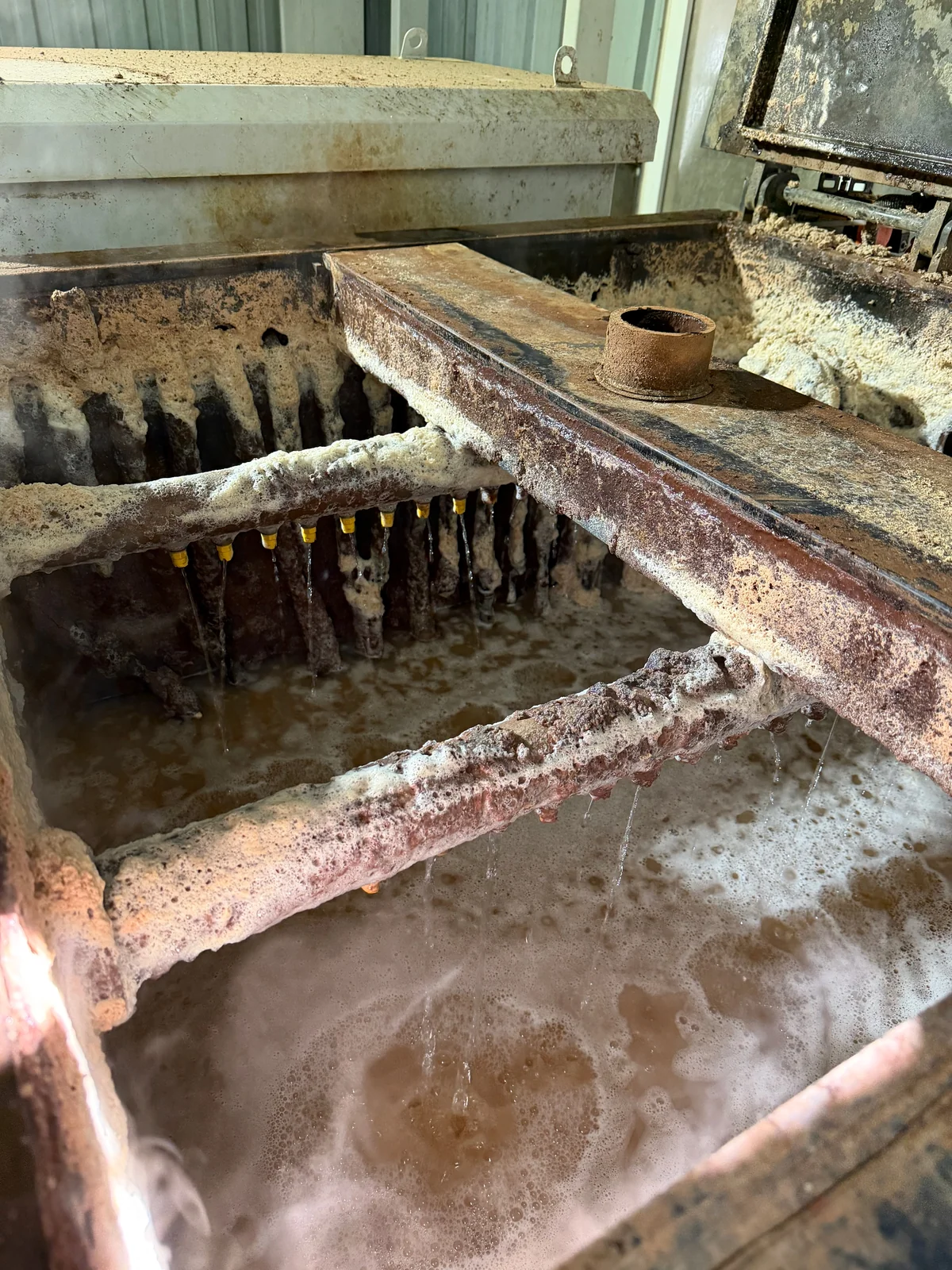
For a similar inquiry, describe where the wastewater comes from, how it is collected and the treatment steps already in place. The available process information helps frame the sample trial and the criteria used to compare candidate products.
What to prepare for a wood-cooking wastewater inquiry
- Wastewater source, approximate flow and known changes in production or water composition.
- Available analysis, including pH, suspended solids, COD and colour, with test dates and methods where available.
- Existing treatment stages, mixing and separation equipment, current chemicals and dosage basis.
- The treatment target, sampling arrangements and practical constraints for a laboratory or site trial.
If coagulants or flocculants are being evaluated, compare each product within its own role. Our PAC vs PAM selection guide explains the different parameters and the information needed for a model trial. For specifications, see the PAC grades and PAM model families. These are selection resources; the visit record does not establish which products or doses were used.
From the first inquiry to a defined trial
Share the process brief and available water analysis with TENORCHEM. Sample models, preparation instructions and evaluation conditions can then be discussed for the application. Record the results with their test conditions so the next decision has a clear basis.